
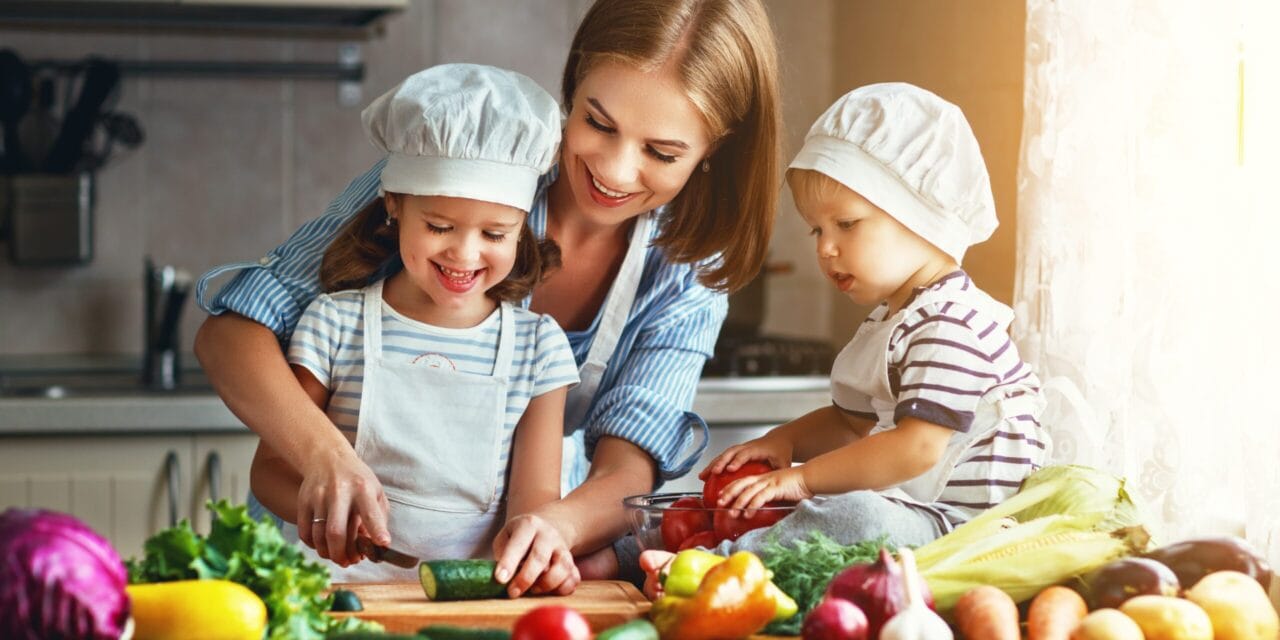
Home cooking with your mother is far more than simply preparing meals—it is a blend of nourishment, culture, and bonding that strengthens families. In today’s fast-paced lifestyle, many rely on processed foods and takeout, which often contain excessive salt, sugar, and unhealthy fats. Cooking at home allows full control over ingredients, portion sizes, and freshness, leading to healthier diets and reduced risks of chronic illnesses such as diabetes, heart disease, and obesity. Beyond physical health, the emotional benefits are immense.
Sharing the kitchen with a mother creates memories, teaches traditions, and fosters love and care that resonate beyond the dinner table. It instills values of patience, skill, and creativity while preserving cultural heritage through recipes passed down generations. In this article, we will explore the benefits of home cooking, practical tips, emotional advantages, and ways to make it a joyful, lasting habit that enriches both body and soul.
1. Understanding Home Cooking
Home cooking refers to preparing meals from fresh ingredients rather than relying on processed or pre-packaged foods. It involves washing, chopping, seasoning, and cooking food tailored to family preferences. Cooking with a mother often incorporates traditional recipes, offering meals that are rich in flavor, nutrition, and cultural significance. Beyond nutrition, home cooking instills skills like time management, planning, and creative problem-solving, making it an essential life skill.
2. Health Benefits of Cooking at Home
a) Better Nutrition
When you cook at home, you control what goes into your meals. Fresh vegetables, lean proteins, whole grains, and healthy fats are easily incorporated. This reduces consumption of additives, preservatives, and excessive salt or sugar common in fast foods. Regular home-cooked meals have been linked to lower risks of obesity, heart disease, diabetes, and high blood pressure.
b) Portion Control
Restaurants often serve oversized portions, which can lead to overeating. Home cooking allows for proper portion sizes, helping maintain a healthy weight and preventing digestive issues.
c) Mental and Emotional Well-being
Cooking is therapeutic. It reduces stress, boosts mood, and increases confidence. Preparing meals with family, especially a mother, strengthens bonds and promotes emotional security. Eating together fosters conversation, reduces screen time, and nurtures meaningful connections.
3. Cultural and Emotional Value of Home Cooking
Home-cooked meals carry cultural and emotional significance. Recipes passed down through generations preserve traditions and family identity. Flavors and aromas often evoke childhood memories and comfort. Beyond sustenance, these meals represent love, care, and attention. Cooking with a mother teaches patience, respect for ingredients, and appreciation for the effort behind every dish.
Family meals become more than eating—they become moments of connection, reflection, and bonding, reinforcing a sense of belonging and cultural pride.
4. Why Cooking with Mother is Special
a) Shared Knowledge
Mothers often pass down cooking techniques, secret ingredients, and tips that textbooks cannot teach. These practical lessons make cooking efficient, flavorful, and enjoyable.
b) Skill Development
Learning from a mother helps develop essential kitchen skills, including chopping, seasoning, balancing flavors, and managing cooking times.
c) Strengthening Bonds
Cooking together fosters communication, laughter, and teamwork. It nurtures respect and admiration while creating lasting memories that children and adults cherish.
d) Emotional Security
Meals prepared by a mother provide not just nutrition but a sense of care and emotional warmth. Eating such meals fosters comfort and strengthens family unity.
5. Practical Tips for Successful Home Cooking
a) Plan Your Meals
Meal planning saves time and reduces stress. Decide weekly menus, prepare shopping lists, and organize ingredients in advance.
b) Keep it Simple
Start with easy recipes like soups, salads, steamed vegetables, and simple protein dishes. Focus on fresh ingredients and balanced flavors rather than complicated techniques.
c) Use Healthy Cooking Methods
- Steaming and boiling preserve nutrients.
- Grilling and sautéing reduce the need for excessive oil.
- Slow cooking enhances flavor while saving effort.
d) Use Moderate Spices and Oils
Excessive oil or spices can cause digestive discomfort. Moderation ensures meals are tasty, healthy, and easy to digest.
e) Encourage Children to Participate
Involving kids in cooking fosters appreciation for home meals and builds healthy eating habits. Simple tasks like washing vegetables or stirring dishes make them feel engaged and responsible.
6. Time-Saving Tips for Busy Families
Time constraints often discourage home cooking. Smart strategies include:
- Pre-chop and store vegetables for quick use.
- Use pressure cookers or slow cookers to reduce cooking time.
- Batch-cook and freeze meals for busy days.
- Prep ingredients on weekends to streamline weekday meals.
With planning, home cooking becomes manageable, stress-free, and more likely to be a consistent habit.
7. Overcoming Common Challenges
a) Lack of Cooking Skills
Everyone starts as a beginner. Simple recipes and consistent practice help build confidence. Mistakes are opportunities to learn.
b) Family Preference for Restaurant Food
Introduce home-cooked meals gradually. Involve family members in cooking and slowly replace takeout meals with nutritious, delicious alternatives.
c) Limited Time
Choose quick recipes that take 15–30 minutes. Double portions for leftovers, saving time on subsequent meals.
8. Safety and Sanitation in the Kitchen
Maintaining hygiene in the kitchen ensures health and prevents foodborne illnesses:
- Wash hands, utensils, and cutting boards before cooking.
- Separate raw and cooked foods.
- Store ingredients at proper temperatures.
- Supervise children around hot surfaces or knives.
Safe practices make home cooking a positive and secure experience for everyone involved.
9. Tips for Making Home Cooking Enjoyable
- Play music or listen to podcasts while cooking.
- Use colorful vegetables and creative plating to make meals visually appealing.
- Rotate recipes to avoid monotony.
- Celebrate small cooking achievements as a family.
Enjoyment and fun in cooking make it a lifelong habit rather than a chore.
10. Long-Term Benefits of Home Cooking with Mother
- Healthier lifestyle: Regular nutritious meals improve long-term well-being.
- Family bonding: Shared cooking strengthens relationships and communication.
- Cultural preservation: Traditional recipes maintain family heritage.
- Life skills: Children learn essential skills for independence.
- Emotional fulfillment: Cooking together nurtures love, care, and satisfaction.
The cumulative effect of these benefits creates a happier, healthier, and more connected family life.
Read More: The Heart of Homemade Mother Cooking
Conclusion
Home cooking with a mother is a timeless practice that nourishes both body and soul. It promotes healthier eating habits, reduces reliance on processed foods, and gives families control over ingredients and portion sizes. Beyond physical benefits, it fosters emotional well-being, strengthens bonds, and preserves cherished cultural traditions. Cooking together teaches valuable life skills, patience, creativity, and collaboration.
By planning meals, using simple and nutritious recipes, and involving family members, home cooking can become a joyful, sustainable habit. Every dish prepared with love carries warmth, care, and the shared memories of time spent together in the kitchen. Embracing home cooking ensures not just a healthy diet but also a legacy of culture, connection, and happiness that can be passed down to future generations. The kitchen thus becomes a place of nourishment, learning, and lasting familial love.
FAQs
1. What are the benefits of cooking at home?
Home cooking improves nutrition, controls portions, reduces processed food intake, and strengthens family bonds. It also supports emotional well-being and cultural traditions.
2. How can beginners start cooking at home?
Start with simple, easy-to-follow recipes. Learn basic skills like chopping, boiling, and sautéing. Practice consistently and gradually try more complex dishes.
3. Is home-cooked food healthier than eating out?
Yes, because you can use fresh ingredients, control salt, sugar, and oil, and avoid additives found in many restaurant or processed foods.
4. How can I save time while cooking?
Plan meals ahead, prep ingredients in advance, use batch cooking, and employ quick cooking methods like pressure cooking or one-pot recipes.
5. How do I get my family to enjoy home-cooked meals?
Involve them in cooking, prepare favorite dishes, introduce new meals gradually, and make the cooking process enjoyable and interactive.