
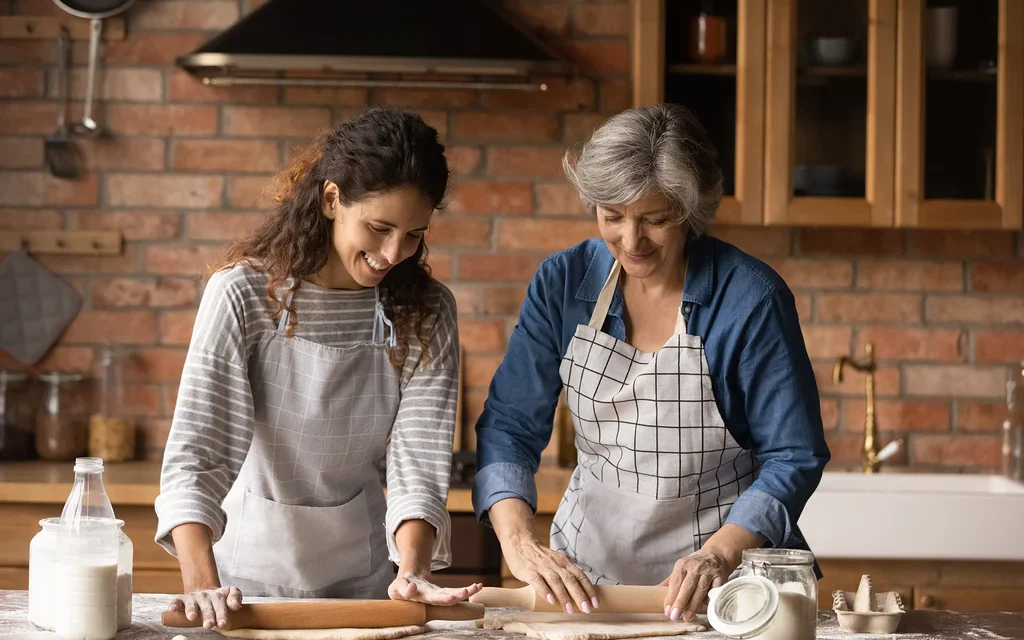
There is something uniquely comforting about mother-style homemade cooking. It goes beyond flavors, recipes, or techniques — it is a form of love and care delivered through food. For generations, homemade meals have shaped family traditions, defined cultural identities, and nurtured both physical health and emotional well-being. In a world filled with fast food, processed snacks, and instant meal solutions, returning to the timeless art of home cooking brings balance to modern living.
It allows control over ingredients, supports healthier dietary habits, encourages portion awareness, and reminds us of the joy that food can bring when shared with family. Mother-style cooking is built on intuition, tradition, and patience — the simple ability to create satisfying meals from humble ingredients. Whether it’s simmering broths, slow-cooked stews, fresh vegetables, or baked treats, homemade cooking has a powerful influence on family life, childhood memories, and everyday nourishment.
The Meaning of Mother-Style Homemade Cooking
Mother-style cooking represents more than recipes. It embraces principles like using fresh ingredients, preparing meals from scratch, favoring balance over excess, and prioritizing taste and family bonding over convenience. It often involves intuitive cooking instead of strict measurements — a pinch here, a handful there — relying on experience, memory, and cultural heritage. This style of cooking reflects resourcefulness, frugality, and a deep understanding of how to make food both nutritious and comforting.
Why Homemade Cooking Matters Today
Modern society is busy and fast-paced. Many households rely on takeout meals, ready-made sauces, or packaged foods. While convenient, these foods tend to be high in salt, sugar, preservatives, and unhealthy fats. Homemade cooking offers a solution by restoring balance. Preparing meals at home gives full control over ingredients, cooking method, and portion size. It encourages healthier dietary patterns, supports weight management, and reduces the risk of lifestyle-related diseases. Beyond physical benefits, home cooking nurtures emotional health and strengthens family relationships — something packaged meals cannot provide.
Nutritional Benefits of Home Cooking
Cooking at home encourages the use of fresh vegetables, lean proteins, whole grains, herbs, and spices. Mothers naturally choose wholesome ingredients and prepare dishes in ways that retain flavor and nutrients. Unlike restaurant meals, homemade dishes rarely rely on excess oil, butter, or sugar to achieve taste. They prioritize balance and variety.
Key nutritional advantages include:
- Reduced sodium intake
- Fresher ingredients with higher nutrient quality
- Less processed sugars and refined oils
- More dietary fiber from vegetables and grains
- Better digestion and nutrient absorption
- Improved hydration through broths and soups
Children raised on home-cooked meals often form healthier eating habits that last into adulthood. They become familiar with real foods rather than packaged snacks, which can have long-term benefits for immune function and metabolism.
Emotional and Cultural Significance
Food is memory. Many adults can describe the smell of their mother’s cooking from childhood. These memories form emotional anchors — the smell of fresh bread, fried onions, simmering tomato sauce, or warm spices. Cooking becomes a language of love, a method of communication without words.
Culturally, mother-style cooking preserves traditions. Recipes and techniques pass from one generation to the next. A simple dish can represent family history, migration, celebration, resilience, or cultural pride. This is why traditional homemade meals are often described as “comfort food” — they connect us to our past while nurturing our present.
Budget and Practical Advantages
Homemade cooking is one of the most economical ways to feed a household. Fresh ingredients and pantry staples cost significantly less than eating out. Leftovers can be reused in creative ways — soups turned into sauces, roasted vegetables repurposed in omelets, or meats transformed into sandwiches. Resourcefulness has always been a hallmark of mother-style cooking. Nothing is wasted; every ingredient has value.
Batch cooking, meal planning, and using seasonal produce further reduce costs. This approach creates less food waste, less plastic packaging, and fewer unnecessary purchases. Over time, these habits support both household budgets and environmental sustainability.
Homemade Cooking Promotes Family Bonding
Eating together at the table is one of the oldest family rituals. It encourages conversation, teaches social skills, and strengthens emotional ties. Children who participate in cooking learn independence, coordination, and responsibility. They observe how food is transformed, where ingredients come from, and how flavors develop. This helps them appreciate food beyond consumption — as an experience and a life skill.
Mother-style cooking teaches patience too. Soups and stews simmer slowly, dough rises, spices marinate. The rhythm of cooking connects people to time and tradition.
Skill Development Through Mother-Style Cooking
Homemade cooking builds lifelong skills such as:
- Food preparation and safety
- Ingredient selection
- Knife skills and heat control
- Taste balancing and seasoning
- Planning and organization
- Creative problem-solving
These skills create confidence in the kitchen and independence in adulthood. Children who learn cooking young are more likely to prepare their own meals later, rely less on processed foods, and maintain healthier diets.
Healthy Cooking Methods Common in Mother’s Kitchens
Many mother-style kitchens rely on traditional cooking methods that naturally promote health:
- Boiling and simmering
- Steaming vegetables and proteins
- Slow cooking stews for flavor and tenderness
- Stir-frying with minimal oil
- Baking and roasting instead of deep frying
- Using herbs and spices to enhance flavor
These methods retain nutrients and limit fat content while maximizing flavor.
The Role of Fresh Ingredients and Seasonality
Mothers often shop according to seasons — buying fruits and vegetables when they taste best and cost less. Seasonal produce offers better nutritional value and supports local farmers. This habit also prevents menu fatigue because meals rotate naturally throughout the year: warmer stews and soups in winter, fresh salads and fruits in summer. This rhythm keeps food interesting and nutritionally balanced.
Homemade Cooking and Childhood Development
What children eat affects cognitive growth, immunity, mood, and learning ability. Homemade meals tend to have balanced macronutrients — proteins, fats, and carbohydrates — along with essential vitamins and minerals. Children who grow up with home-cooked meals develop stronger taste sensitivity, better digestion, and a healthier relationship with food. They learn to enjoy natural flavors rather than artificial sweeteners and additives.
How to Begin Cooking More at Home
For beginners or busy parents, starting small helps. Techniques include:
- Planning meals for a week
- Cooking in larger batches
- Keeping basic spices and staples on hand
- Choosing simple recipes with few ingredients
- Reusing leftovers creatively
- Getting children involved in simple tasks
The goal is not perfection, but consistency. Even cooking at home three times a week can create noticeable benefits.
The Joy of Creativity and Experimentation
Mother-style cooking is rarely rigid. Recipes adapt based on what is available, what is affordable, and what the family enjoys. This encourages creativity. A handful of ingredients can become countless variations: soups, curries, stir-fries, sandwiches, baked dishes, or rice bowls. Cooking becomes a playground for flavor and imagination.
Read More: The Heart of the Motherland
Conclusion
Mother-style homemade cooking remains one of the most powerful influences on family well-being. It brings balance to modern life by encouraging healthier eating patterns, thoughtful ingredient use, and meaningful family connections. Beyond nutrition, homemade meals create emotional warmth, preserve cultural identity, and shape lifelong habits in children. The kitchen becomes a place of learning, love, and creativity. Even as lifestyles become busier, the values of home cooking remain timeless — patience, care, and nourishment. Returning to homemade cooking does not require gourmet skill or expensive ingredients.
It simply requires intention and the willingness to embrace food as an experience rather than a transaction. By cooking more often, families can improve their health, reduce food costs, support sustainability, and strengthen relationships. The heart of mother’s cooking will always be love, and that love has no substitute.
FAQs
1. Why is homemade mother cooking healthier?
Because you control the ingredients, portions, and cooking methods, reducing excess salt, sugar, and unhealthy fats.
2. How can beginners start home cooking?
Begin with simple recipes, meal planning, basic pantry staples, and gradually increase skills with practice.
3. What makes mother-style cooking so flavorful?
It relies on intuition, slow cooking, fresh ingredients, herbs, and traditional techniques that build deeper flavor.
4. Does homemade cooking save money?
Yes. Buying raw ingredients, using leftovers, and cooking in batches significantly reduces meal expenses.
5. Why do homemade meals feel more comforting?
Because they carry emotional value — memories, cultural traditions, and love — making food more meaningful.