
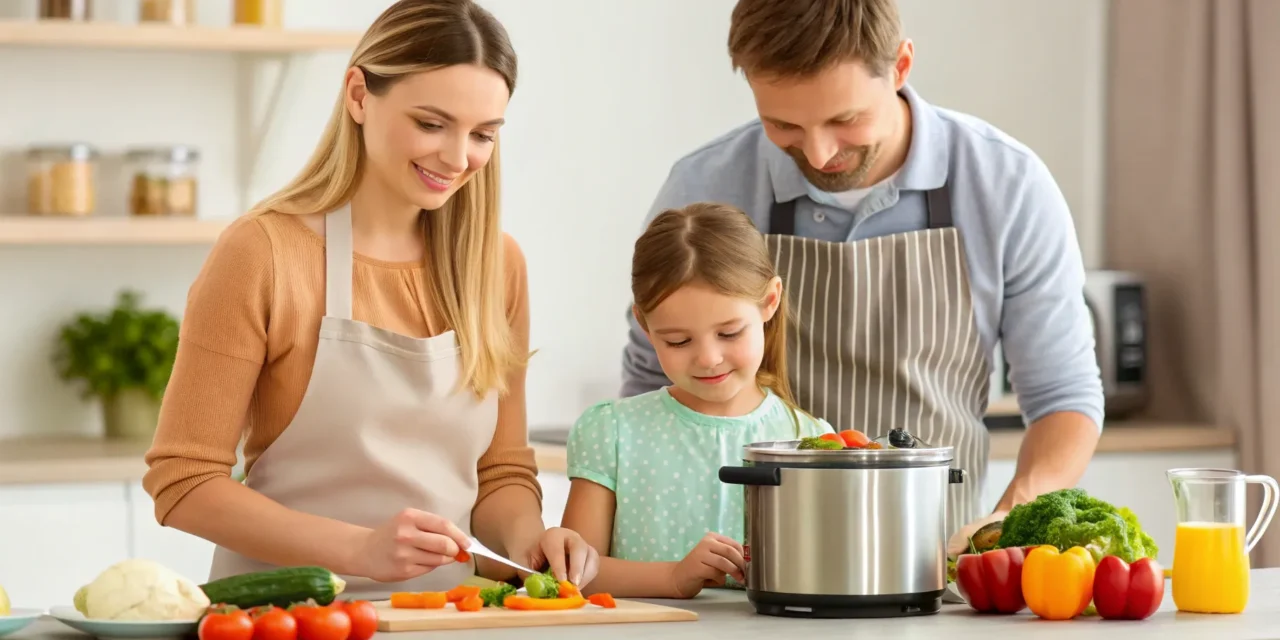
Home mother cooking is more than preparing meals—it’s a cherished tradition, an expression of care, and a way to nourish both body and mind. In today’s fast-paced world, many people rely on takeout, packaged meals, or restaurant food, which often contain high amounts of sugar, salt, and preservatives. By contrast, home-cooked meals—especially those made with the love and expertise of mothers—offer balanced nutrition, support overall health, and foster family bonds. Cooking at home allows full control over ingredients, portion sizes, and cooking methods, making meals healthier, tastier, and more fulfilling.
This guide explores the importance of home mother cooking, its health benefits, practical cooking steps, essential tips, and ways to make meals both easy and nutritious. It also shares secrets from experienced home cooks to help you create delicious, wholesome meals your whole family will enjoy.
1. What is Home Mother Cooking and Why It Matters?
Home mother cooking refers to meals prepared at home with care, often inspired by family traditions and recipes passed down through generations. It emphasizes fresh ingredients, balanced nutrition, and thoughtful preparation. Unlike processed or restaurant foods, home-cooked meals allow full control over quality, hygiene, and taste.
Beyond physical health, home-cooked meals have emotional and cultural significance. The aromas and flavors of familiar dishes evoke memories, strengthen family identity, and create a sense of belonging. Sharing home-cooked meals nurtures love, connection, and tradition, making them a vital part of everyday life.
2. Health Benefits of Home Mother Cooking
2.1 Better Nutrition and Health Control
Cooking at home ensures the use of fresh vegetables, fruits, whole grains, lean proteins, and healthy oils while minimizing sugar, salt, and preservatives. This balanced approach helps improve nutrient intake and reduce the risk of chronic illnesses like heart disease, diabetes, and obesity.
2.2 Helps Maintain Ideal Weight
Home cooking allows control over portion sizes and prevents the hidden calories often found in restaurant or packaged foods, supporting healthy weight management and consistent energy levels throughout the day.
2.3 Supports Digestive Health
Fresh home-prepared meals rich in fiber from vegetables, fruits, and whole grains promote good digestion, reducing bloating, constipation, and other gastrointestinal issues.
2.4 Improves Mental Health
Cooking can be therapeutic. The process of chopping, stirring, and seasoning offers a mindful, stress-relieving activity that enhances mood and emotional well-being.
2.5 Builds Healthy Eating Habits for Children
Children exposed to home-cooked meals tend to consume more vegetables, fruits, and balanced diets, supporting growth, immunity, and cognitive development.
3. Core Principles of Home Mother Cooking
Mastering home cooking requires understanding these key principles:
3.1 Focus on Fresh, Whole Ingredients
Prioritize seasonal vegetables, fruits, whole grains, lentils, and lean proteins. Fresh ingredients retain nutrients, flavor, and texture, making meals healthier and tastier.
3.2 Cook with Intention
Be mindful while cooking. Avoid distractions, focus on flavors, and enjoy the process. Meals prepared with attention and care often taste better.
3.3 Use Healthier Cooking Methods
Prefer steaming, boiling, grilling, or light sautéing over deep frying. These methods preserve nutrients and reduce excess fat intake.
3.4 Control Oils and Fats
Use moderate amounts of healthy oils like olive, mustard, or coconut oil to enhance flavor without adding unnecessary calories.
3.5 Preserve Nutrients
Add vegetables at the right time, avoid overcooking, and use gentle heat to maintain essential vitamins and minerals.
4. Practical Steps to Start Home Mother Cooking
4.1 Plan Your Meals
Create a weekly meal plan to shop efficiently, reduce waste, and stay organized. Focus meals on:
- Proteins (lentils, beans, eggs, lean meat)
- Vegetables
- Whole grains
- Healthy fats
Meal planning also reduces reliance on unhealthy, convenient foods.
4.2 Learn Basic Cooking Techniques
Begin with simple but versatile techniques:
- Sautéing: Quick cooking in small oil
- Boiling/Steaming: Ideal for rice and vegetables
- Simmering: Perfect for lentils and soups
- Grilling/Baking: Healthy alternatives to frying
4.3 Keep Your Kitchen Organized
Arrange spices, oils, grains, and utensils within reach. A clean, organized kitchen makes cooking faster and more enjoyable.
4.4 Start Simple
Prepare easy dishes like dal (lentils), vegetable curry, steamed rice, roti (flatbread), and salads. Gradually, expand to more complex recipes.
4.5 Use Time-Saving Techniques
Batch cooking, pre-cutting vegetables, and storing ingredients efficiently can reduce kitchen time without compromising nutrition.
5. Mother’s Kitchen Tips for Better Cooking
Experienced home cooks share secrets to make cooking easier and more flavorful:
- Cut vegetables uniformly for even cooking.
- Add spices at the right moment for deeper flavor.
- Wash rice before cooking to prevent stickiness.
- Balance taste with a pinch of sugar or lemon juice.
- Use pressure cooking for lentils and beans to save time and energy.
These tips make everyday cooking efficient, nutritious, and delicious.
6. Healthy and Safe Home Cooking Tips
6.1 Avoid Overheating Oils
Repeatedly heating oil can produce harmful compounds. Use fresh oil to maintain health.
6.2 Wash Produce Properly
Clean vegetables and fruits thoroughly to remove dirt, pesticides, and bacteria.
6.3 Store Food Correctly
Refrigerate leftovers promptly in clean, covered containers to prevent spoilage and foodborne illness.
6.4 Mindful Seasoning
Use salt, sugar, and spices moderately. Proper seasoning enhances flavor while keeping meals healthy.
7. Home Cooking and Family Bonds
Home-cooked meals strengthen family relationships:
- Family meals create opportunities to communicate, connect, and share experiences.
- Children involved in cooking learn essential life skills, develop confidence, and feel more invested in healthy eating.
- Cooking together fosters collaboration, creativity, and shared joy in preparing and enjoying meals.
These moments create lasting memories and healthy eating habits that can last a lifetime.
Read More: How to Make Your Mother Truly Happy
Conclusion
Home mother cooking is a blend of nourishment, tradition, and care. Beyond satisfying hunger, it provides balanced nutrition, supports physical and mental health, and strengthens family bonds. Cooking at home empowers you to choose fresh, wholesome ingredients, control portions, and minimize unhealthy additives. It nurtures children, promotes mindful eating, and creates an environment of love and connection. By following simple principles, using healthier cooking methods, and adopting practical kitchen tips, anyone can embrace home mother cooking, whether a beginner or experienced cook.
The process transforms cooking from a daily chore into a fulfilling, creative, and therapeutic activity. Each meal becomes an opportunity to foster health, tradition, and togetherness. With consistent practice and attention, home mother cooking not only enhances flavor and nutrition but also builds lasting family memories and lifelong habits of healthy eating. Making your kitchen a place of joy, love, and wellness is the ultimate reward of this timeless art.
FAQs
Q1. What is home mother cooking?
Home mother cooking is preparing meals at home, inspired by family traditions, using fresh and wholesome ingredients.
Q2. Is home cooking healthier than eating out?
Yes. Home cooking allows control over ingredients, fat, sugar, and portion sizes, making meals more nutritious and balanced.
Q3. How can beginners start cooking healthy meals at home?
Start with simple recipes, plan meals, learn basic techniques, and use fresh, wholesome ingredients.
Q4. What are tips to retain nutrients while cooking?
Avoid overcooking, use steaming or light sautéing, and add vegetables at the appropriate time to preserve vitamins and minerals.
Q5. How does home cooking benefit family health?
It ensures balanced nutrition, strengthens family connections, supports mental well-being, and fosters healthy eating habits in children.