
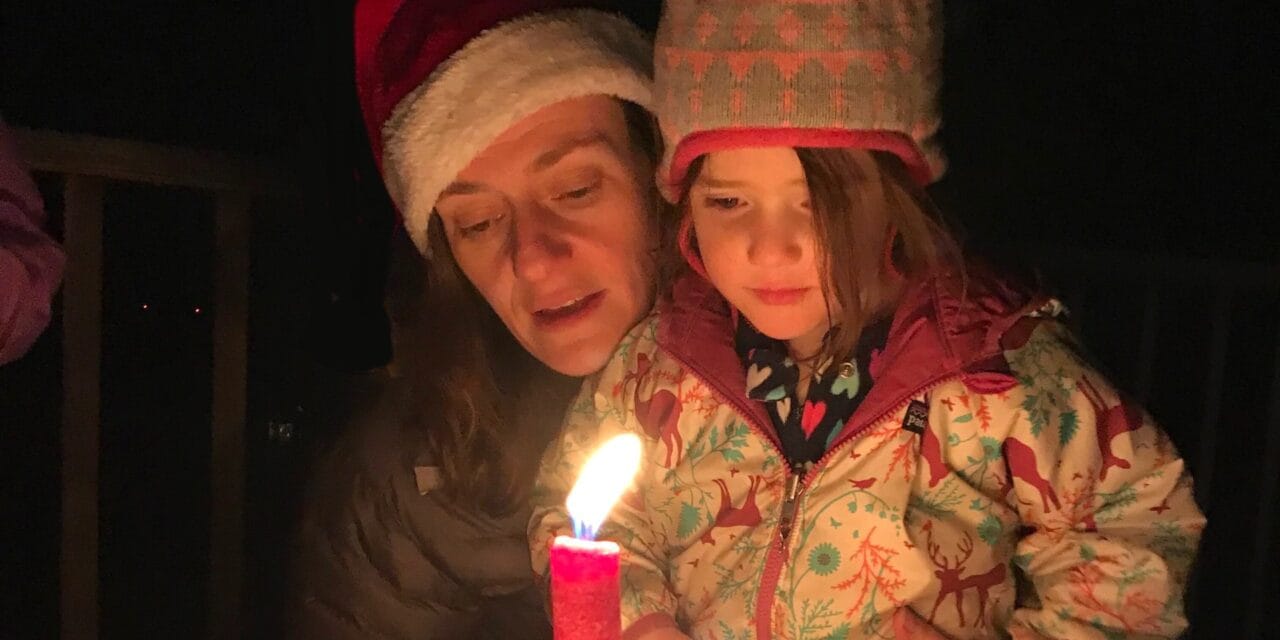
The Winter Solstice marks the shortest day and longest night of the year, usually falling around December 21–22 in the Northern Hemisphere. This natural event occurs when the Earth’s axis tilts farthest from the sun, symbolizing a moment of pause before the gradual return of longer, brighter days. Across cultures and centuries, people have honored this turning point with meaningful rituals, festivals, and celebrations that reflect the deep connection between humans and the cycles of nature.
From ancient monuments aligned with the solstice sun to cozy family gatherings around candlelight, the Winter Solstice carries layers of meaning: it is a time for reflection, gratitude, renewal, and hope. Whether you celebrate with rituals, meals, outdoor experiences, or personal reflection, the solstice invites everyone to honor both the darkness and the promise of returning light, creating a sense of continuity, community, and mindfulness during the coldest season of the year.
What Is the Winter Solstice?
The Winter Solstice is an astronomical event when the tilt of the Earth’s axis places the Northern Hemisphere farthest from the sun, producing the shortest day and longest night of the year. Beyond its scientific significance, it has historically held cultural, spiritual, and agricultural importance.
For ancient civilizations, the solstice was a marker in seasonal calendars, signaling the time to prepare for winter and anticipate spring. The symbolic meaning extends beyond agriculture; it represents the triumph of light over darkness, reflection on the past year, and the hope of renewal. Today, both ancient traditions and modern celebrations recognize the solstice as a powerful opportunity to slow down, connect with nature, and embrace personal and communal rituals.
Traditional Celebrations Around the World
1. Yalda Night (Persia)
In Iran, families celebrate Yalda Night, the longest night of the year, by staying awake until dawn. They gather to share stories, poetry, and symbolic foods such as pomegranate and watermelon, which represent life and warmth. The night emphasizes family, reflection, and the hope that light will soon return.
2. Dongzhi Festival (China)
The Dongzhi Festival celebrates the solstice as the triumph of light over darkness. Families reunite and share tangyuan, glutinous rice balls symbolizing unity and togetherness. Traditional celebrations also include ancestor offerings and reflecting on the year’s blessings.
3. Chawmos (Kalash People of Pakistan)
Among the Kalash communities of northern Pakistan, Chawmos is a two-week festival featuring music, dance, and rituals that honor seasonal change. It is both a social and spiritual event that strengthens community bonds.
4. Western Festivals
In Europe and North America, traditions have evolved around candlelight rituals, bonfires, and community gatherings. Events like lantern festivals or solstice processions celebrate light’s return, fostering connection and joy even during the darkest nights.
5. Ancient Sites
Monuments such as Stonehenge and Newgrange were intentionally aligned with the solstice sunrise, demonstrating humanity’s long-standing fascination with this celestial event. Today, people still gather at these sites to witness the sunrise and honor the turning of the seasons.
Meaningful Ways to Celebrate the Winter Solstice
1. Light Candles or Lanterns
Lighting candles or lanterns symbolizes the return of light. You can create a small ritual, light candles together with family, or use it as a personal meditation, reflecting on the past year and setting intentions for the year ahead.
2. Host a Solstice Feast
A solstice feast brings warmth and connection. Focus on seasonal foods like roasted vegetables, nuts, hearty soups, and winter fruits. Sharing a meal fosters togetherness and gratitude, reinforcing the communal spirit of the solstice.
3. Reflection and Intention Setting
Take time to reflect on the year, journal your thoughts, or meditate. Setting intentions for the months ahead can be a gentle way to welcome growth, healing, and positive change. Consider letting go of what no longer serves you during a symbolic ritual.
4. Nature Walk and Stargazing
Experience the long night outdoors with a winter walk or stargazing session. Observing the natural world encourages mindfulness and a deeper appreciation for seasonal rhythms. Winter constellations and crisp night air add to the sense of wonder and awe.
5. Create a Solstice Altar
Set up a small altar with candles, evergreen branches, crystals, seasonal objects, or meaningful symbols. This can serve as a daily reminder of light, gratitude, and reflection during the darkest days of the year.
6. Cozy Indoor Traditions
Indoor celebrations can be just as meaningful. Gather for storytelling, board games, baking, or crafting decorations. Embrace warmth, comfort, and quality time with loved ones.
7. Fire Rituals
If possible, use a safe firepit or fireplace to symbolize cleansing and renewal. Share stories, express intentions, or release negative energy into the fire. Fire rituals emphasize transformation and hope.
Modern Interpretations & Personal Rituals
Modern celebrations often blend ancient traditions with contemporary practices. Ideas include:
- Meditating on light and darkness to balance reflection with optimism.
- Storytelling and memory sharing to honor the year’s experiences.
- Cozy gatherings that focus on warmth, comfort, and human connection.
- Mindful crafts or journaling to mark the transition from darkness to light.
The solstice is a versatile opportunity to craft personal rituals that feel meaningful, whether solitary or communal. The focus is on intentionality, gratitude, connection, and renewal.
Read More: Sacrifice and Strength: Life as a Stay‑At‑Home Mother
Conclusion
The Winter Solstice is more than an astronomical event; it is a profound celebration of light, hope, and renewal. Throughout history, cultures worldwide have honored this turning point through rituals, feasts, storytelling, and reflection. Whether ancient monuments, cultural festivals, or modern personal practices, the solstice reminds us of the enduring human connection to natural cycles.
Celebrating the Winter Solstice allows us to pause, reflect on the year gone by, and embrace the promise of returning light. Lighting candles, sharing meals, spending time in nature, or setting intentions fosters gratitude, mindfulness, and connection with loved ones. This season, slowing down and honoring the balance between darkness and light nurtures resilience and hope. By creating meaningful traditions, whether inherited or self-designed, the solstice becomes a celebration of life, renewal, and joy—a reminder that even in the darkest times, light is always on the horizon.
FAQs
1. What is the Winter Solstice?
The Winter Solstice is the shortest day and longest night of the year, marking a turning point when days gradually grow longer. It is celebrated as a time of reflection, renewal, and hope.
2. How can I celebrate the Winter Solstice at home?
You can celebrate at home by lighting candles, sharing a seasonal meal, journaling, crafting, or setting intentions for the coming months.
3. What foods are traditional for the Winter Solstice?
Traditional foods include seasonal fruits, nuts, roasted vegetables, soups, pomegranate, and rice dishes symbolizing togetherness and life.
4. Can I celebrate the Winter Solstice outdoors?
Yes! Nature walks, stargazing, bonfires, or observing the sunrise or sunset can be meaningful ways to honor the solstice.
5. Are Winter Solstice celebrations the same worldwide?
No. Traditions vary widely across cultures, from Persian Yalda Night to Chinese Dongzhi, Kalash Chawmos, and Western lantern or candle festivals. The common thread is honoring light, reflection, and community.