
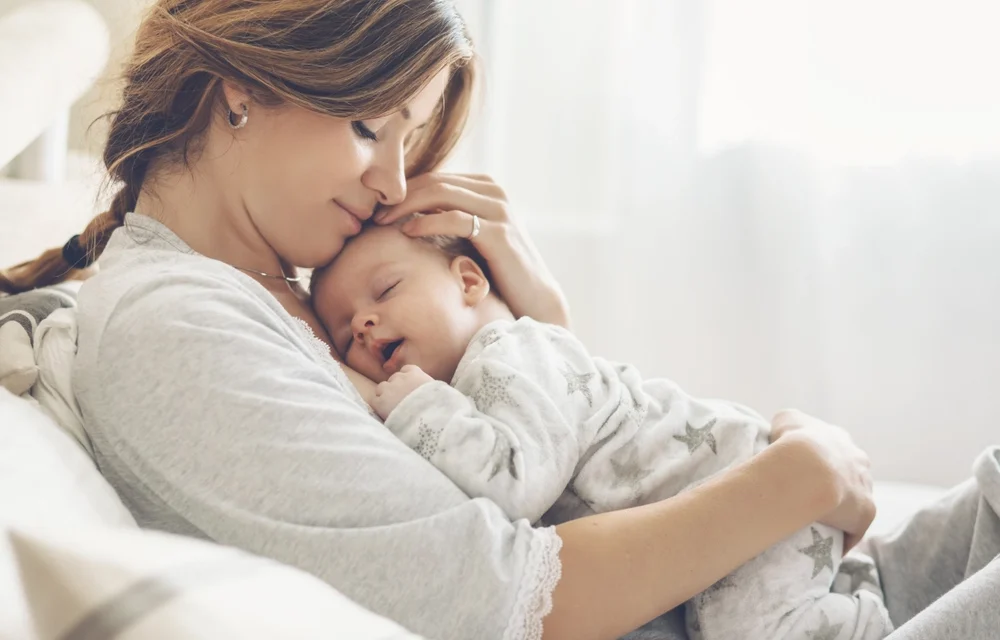
A mother’s love is the first and most powerful relationship a baby experiences. Inside the home, this love is expressed through care, patience, attention, and emotional presence. From feeding and cuddling to comforting tears and celebrating small milestones, every action a mother takes helps shape her baby’s emotional and mental growth. Experts in child development agree that early mother-baby bonding builds a strong foundation for confidence, trust, and healthy relationships later in life. A baby does not need expensive toys or perfect routines; what truly matters is feeling safe, seen, and valued.
At home, a mother becomes a baby’s world. Her voice becomes familiar, her touch provides comfort, and her presence creates security. This article explains how a mother naturally shows love to her baby at home, why that love is essential for healthy development, and how simple daily actions can make a lifelong difference. The focus is on warmth, understanding, and emotional connection—because love, when given early, lasts forever.
1. The Meaning of a Mother’s Love
A mother’s love is unconditional. It is not based on achievement, behavior, or reward. From birth, a mother accepts her baby completely, responding to their needs without judgment. This unconditional love helps a baby feel secure in a world that is new and unfamiliar.
Love is shown through protection, care, and emotional availability. When a baby feels loved, their brain develops in a healthier way. Emotional safety allows children to explore, learn, and grow without fear. A loving mother does not need to be perfect—she only needs to be present, caring, and responsive.
2. Creating a Loving Home Environment
A loving home environment plays a major role in a baby’s emotional well-being. Babies feel comforted when their surroundings are calm, predictable, and filled with warmth.
Consistency and Routine
Daily routines such as feeding times, nap schedules, and bedtime rituals help babies feel safe. When a mother follows gentle routines, the baby learns what to expect, which reduces stress and anxiety.
Calm Atmosphere
Speaking softly, maintaining a peaceful home, and minimizing loud noises helps babies feel relaxed. A calm environment allows a baby’s nervous system to develop in a healthy way.
Emotional Safety
When a baby knows they will be comforted when upset, they feel emotionally secure. This security becomes the foundation of trust and attachment.
3. Physical Expressions of Love
Physical touch is one of the most powerful ways a mother shows love to her baby.
Cuddling and Holding
Holding a baby close provides warmth, comfort, and reassurance. Cuddling helps regulate the baby’s heartbeat and breathing, making them feel safe.
Gentle Touch
Soft touches during diaper changes, baths, or dressing moments create connection. These simple actions tell the baby they are cared for and protected.
Skin-to-Skin Contact
Especially in early months, skin-to-skin contact strengthens bonding and promotes emotional stability. It helps babies feel connected and loved.
4. Emotional Care and Responsiveness
Babies communicate through crying, facial expressions, and body movements. A loving mother learns to understand these signals.
Responding to Crying
When a mother responds promptly to a baby’s cry, the baby learns that their needs matter. This builds trust and emotional confidence.
Comforting Fears
Babies experience discomfort, fear, and overstimulation. Holding them, speaking gently, or rocking them helps calm their emotions.
Emotional Presence
Being emotionally available—making eye contact, smiling, and engaging—helps babies feel understood and valued.
5. Feeding as an Act of Love
Feeding time is more than nutrition; it is bonding time.
Breastfeeding or Bottle Feeding
Regardless of the method, feeding creates closeness. Holding the baby, making eye contact, and speaking softly during feeding strengthens emotional bonds.
Introducing Solid Foods
When babies begin eating solids, patient feeding shows care and respect for their pace. Encouragement and calmness help develop healthy eating habits.
6. Communication and Early Learning
Even before babies understand words, they respond to tone and expression.
Talking to Your Baby
Describing daily activities, singing songs, and talking during routines helps babies feel included and loved.
Listening and Responding
When a baby makes sounds or gestures, responding encourages communication and connection.
Reading Together
Reading to babies, even at a very young age, supports language development and emotional closeness.
7. Playtime and Shared Joy
Play is a powerful form of love.
Simple Play
Peek-a-boo, gentle games, and facial expressions create joy and laughter. These moments strengthen attachment.
Following the Baby’s Lead
Allowing the baby to explore safely and responding with encouragement builds confidence.
Shared Happiness
When a mother celebrates small achievements, the baby feels valued and supported.
8. Teaching Love Through Care
A mother teaches love not only by giving it but by showing how it works.
Patience
Being patient during challenges shows the baby they are accepted even when things are difficult.
Protection
Keeping the baby safe from harm shows responsibility and deep care.
Guidance
As babies grow, gentle guidance helps them understand boundaries while still feeling loved.
9. Signs That a Baby Feels Loved
Babies express love and trust in simple ways:
- Smiling when they see their mother
- Relaxing in her arms
- Seeking comfort from her
- Making sounds or eye contact
- Showing excitement during interaction
These signs reflect a strong emotional bond.
10. Common Misunderstandings About Mother’s Love
You Can’t Spoil a Baby with Love
Babies need affection. Responding to their needs does not create weakness; it creates security.
Perfection Is Not Required
A loving mother makes mistakes and learns. What matters is effort, presence, and care.
Quality Matters More Than Quantity
Even short moments of focused attention can deeply impact a baby.
Read More: 61285034690: Meaning, Risks, and What You Should Know
Conclusion
A mother’s love at home is the foundation of a baby’s emotional and mental health. Through simple daily actions—holding, feeding, comforting, talking, and playing—a mother builds a bond that lasts a lifetime. Love does not require perfection, expensive tools, or complex techniques. It grows through patience, understanding, and presence. When a baby feels loved, they develop confidence, trust, and the ability to form healthy relationships in the future.
The home is where this love begins. A mother’s voice becomes familiar, her arms become safe, and her care becomes the baby’s first experience of the world. By offering consistent affection and emotional support, a mother shapes not only her child’s early years but their entire future. Love given freely and warmly in the home is the greatest gift a mother can offer her baby.
FAQs
1. How does a mother show love to her baby at home?
By caring for their physical needs, responding to emotions, offering affection, and being emotionally present.
2. Can a baby feel love from their mother?
Yes, babies feel love through touch, voice, eye contact, and consistent care.
3. Is responding to crying important for bonding?
Yes, responding builds trust and emotional security.
4. Does talking to a baby help emotional development?
Yes, it strengthens connection, communication, and emotional growth.
5. Can a mother love her baby even if she feels tired or overwhelmed?
Absolutely. Love is shown through effort and care, not constant energy.