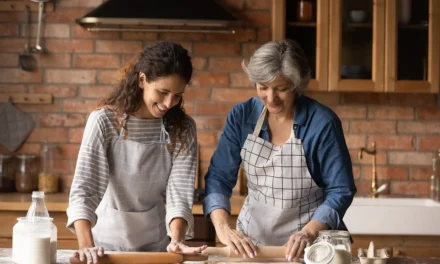
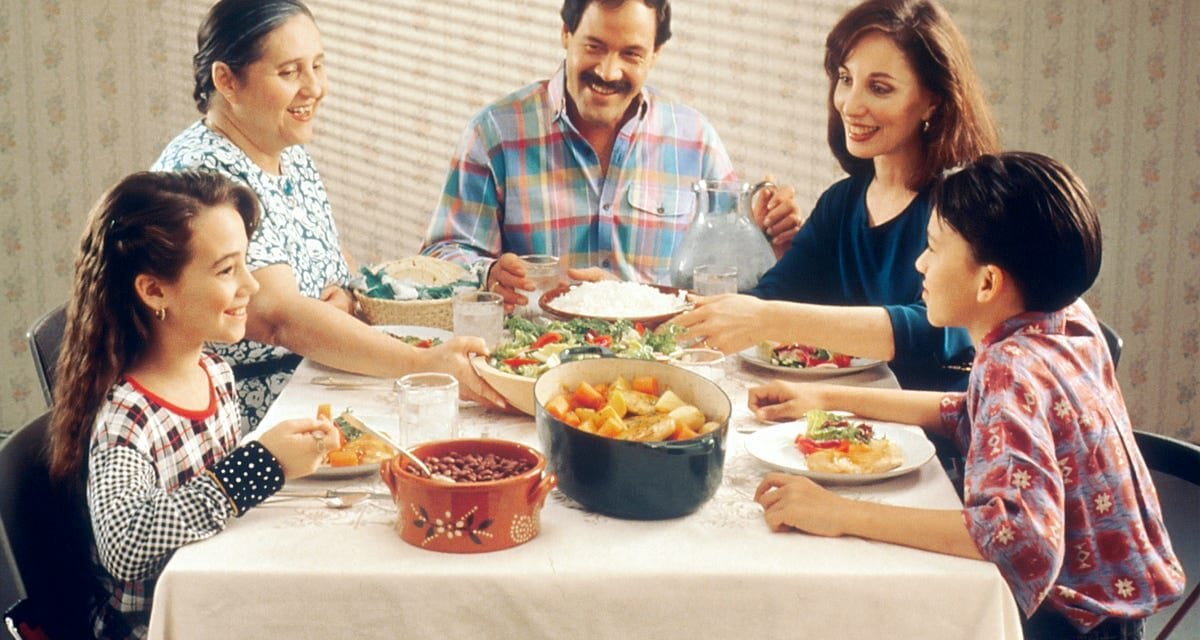
A mother’s love has a magical way of turning ordinary meals into extraordinary experiences. It isn’t just about following a recipe or using the freshest ingredients — it’s about care, attention, and emotion. The warmth a mother brings into the kitchen infuses meals with love, turning food into comfort, nourishment, and cherished memories. Across cultures, a mother’s cooking is more than sustenance; it symbolizes connection, tradition, and a sense of belonging.
Whether it’s a simple weekday dish or a festive family feast, meals prepared with love carry an emotional resonance that lingers long after the last bite. Understanding the essence of mother love cooking is about learning how to infuse your own meals with care, intention, and warmth, creating food that nourishes both body and heart. This article explores practical, cultural, and emotional ways to cook like a mother who cooks with love.
1. Why Mother’s Love Matters in Cooking
A mother’s cooking carries emotional value far beyond taste. Food prepared with love strengthens bonds, provides comfort, and creates lasting memories. Children often associate a mother’s cooking with warmth, safety, and affection, which turns meals into treasured emotional experiences.
Emotional Connection
- Smells and flavors can instantly bring back childhood memories.
- Shared meals foster family bonding, conversation, and togetherness.
Symbol of Care
Cooking is one of the most universal ways to show love. A mother’s attention in the kitchen transforms ordinary ingredients into expressions of care that nurture and connect her family.
2. The Secret Ingredients: Love, Time & Attention
What makes mother love cooking unique isn’t a secret recipe—it’s the care and attention invested in every step.
Love as an Ingredient
Cooking with intention and patience turns meals into personal and meaningful experiences. The simple act of preparing food thoughtfully communicates affection.
Time and Attention
- Mothers often carefully select ingredients and balance flavors to suit family preferences.
- Their experience allows them to create comfort foods that are consistently satisfying.
3. The Tradition of Family Recipes
Mother love cooking is often rooted in tradition. Recipes passed down through generations carry cultural values, memories, and personal adaptations.
Passing Down Generations
- Family recipes connect children to their heritage and ancestors.
- Mothers often modify recipes to suit the tastes of their family, adding their unique touch.
Personal Touch
Even the simplest dishes can feel special when a mother personalizes them for her family, creating meals that are both comforting and memorable.
4. How to Cook with Love: Practical Tips
Cooking with love is both art and intention. Here are ways to bring a mother’s love into your meals:
1. Choose Fresh Ingredients
High-quality, fresh ingredients enhance taste, nutrition, and overall enjoyment.
2. Cook with Intention
Focus on the process: taste as you go, adjust seasoning, and stay mindful. Cooking isn’t just about efficiency; it’s about creating nourishment with care.
3. Add Personal Memories
Recreate family favorites or dishes that carry sentimental value. Meals connected to memories evoke comfort and happiness.
4. Share the Process
Involve family members in cooking. Turning meal preparation into a shared experience strengthens connections and builds lasting memories.
5. Be Patient and Present
A calm, loving approach in the kitchen reflects in the food itself. The emotional energy you put into cooking is felt by those who eat it.
5. How Mother’s Cooking Influences Family Health and Habits
Home-cooked meals have benefits beyond flavor:
Balanced Nutrition
Mothers often plan meals carefully to ensure a healthy balance of ingredients.
Healthy Eating Habits
Children exposed to home-cooked meals tend to prefer fresh, wholesome foods over processed options, fostering lifelong healthy habits.
Emotional Well-Being
Regular family meals create opportunities for conversation, bonding, and emotional support, contributing to overall mental health.
6. The Science of Scent and Memory
The smells of familiar dishes trigger emotional responses because our brains link scent to memory and emotion. Childhood favorites prepared by mothers often evoke comfort, security, and nostalgia, which is why mother love cooking feels so special.
7. Cultural Perspectives on Mother Love Cooking
Across cultures, motherly cooking reflects heritage, values, and traditions:
- In Asia, family meals symbolize harmony and respect for ancestors.
- In the Middle East and South Asia, cooking is a communal experience connecting extended families.
- In Europe, traditional comfort foods carry sentimental value across generations.
These examples show that cooking with love is a universal human expression, transcending geography and culture.
Read More: A Mother’s Love at Home: Nurturing Children Every Day
Conclusion
Mother love cooking is more than preparing meals—it’s about infusing food with care, attention, and emotion. It strengthens family bonds, preserves cultural traditions, and creates lasting memories. By choosing fresh ingredients, cooking with intention, and connecting emotionally to the process, anyone can replicate the warmth of a mother’s kitchen. Meals prepared with love nourish not only the body but the heart, offering comfort, joy, and a sense of belonging. The art of mother love cooking can be shared, taught, and cherished, turning everyday dishes into expressions of care and legacy for generations to come.
FAQs
1. What does “mother love cooking” mean?
It refers to meals prepared with care, attention, and affection, creating a sense of comfort, warmth, and emotional connection.
2. Why does mom’s cooking taste better than restaurant food?
Mom’s cooking often feels better because it combines fresh ingredients, personal touches, and emotional care that evokes memories and comfort.
3. How can I cook with love like a mother?
Focus on intention, choose fresh ingredients, take your time, and think about the people you’re cooking for.
4. Does mother’s cooking influence children’s eating habits?
Yes, home-cooked meals encourage healthy eating, balanced nutrition, and a positive emotional relationship with food.
5. How do family recipes enhance mother love cooking?
Family recipes carry tradition, personal adaptation, and cultural values, giving meals deeper meaning and emotional resonance.