
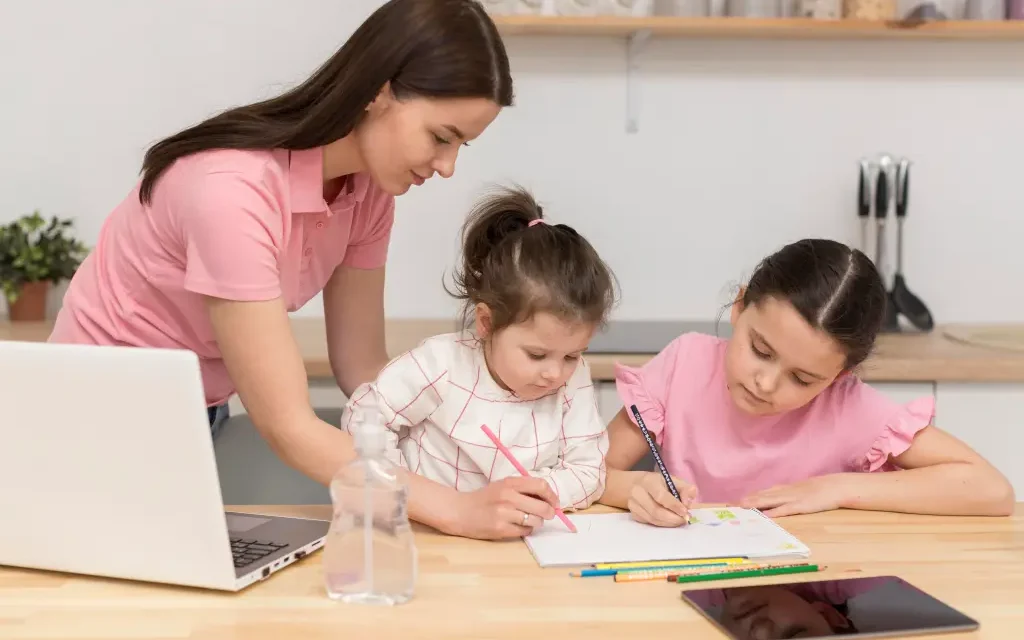
A home mother plays a vital and deeply meaningful role in shaping family life, emotional stability, and child development. Often referred to as a stay-at-home mother, she dedicates her time and energy to nurturing children, managing household responsibilities, and creating a supportive home environment. In today’s fast-paced world, the decision to become a home mother is both personal and practical, influenced by family values, childcare needs, financial planning, and emotional priorities. This role demands patience, organization, emotional intelligence, and resilience.
While it may not come with formal recognition or a paycheck, the impact of a home mother is long-lasting and profound. This article provides a comprehensive and user-friendly guide on how to be a successful home mother, covering responsibilities, daily routines, emotional well-being, challenges, personal growth, and societal value. It is designed to inform, support, and empower mothers who choose this important path.
What Is a Home Mother?
A home mother is a woman who primarily stays at home to care for her children and manage household life. Her focus is on raising children, maintaining routines, and supporting the emotional and practical needs of the family. Some home mothers may work part-time or remotely, but their main responsibility remains the home.
Being a home mother is not a passive role. It requires constant involvement, decision-making, and adaptability. From early childhood development to teenage guidance, her influence shapes behavior, confidence, and values.
Why Mothers Choose to Be at Home
Many mothers choose to stay at home for reasons that align with family needs and personal beliefs. Common reasons include:
- Wanting to be present during a child’s early years
- Reducing childcare expenses
- Supporting children emotionally and academically
- Maintaining flexible family schedules
- Strengthening family bonds
- Cultural or personal values
Every family situation is different, and choosing to be a home mother is a valid and respectable decision.
Responsibilities of a Home Mother
The responsibilities of a home mother are wide-ranging and continuous. They often include:
- Childcare and supervision
- Preparing nutritious meals
- Managing household cleanliness and organization
- Teaching life skills and values
- Helping with education and homework
- Scheduling appointments and activities
- Providing emotional support
These responsibilities require planning, patience, and emotional awareness.
Daily Life of a Home Mother
No two days are the same, but structure helps maintain balance.
Morning Routine
- Preparing breakfast and lunches
- Getting children ready for school
- Cleaning and organizing the home
Midday Activities
- Child development activities or playtime
- Household tasks
- Personal time or learning
Evening Routine
- Family meals
- Homework assistance
- Emotional bonding and bedtime routines
Flexibility is essential, especially with young children.
Essential Skills for a Successful Home Mother
To manage daily demands effectively, a home mother benefits from key skills:
- Time management – balancing multiple tasks
- Communication – clear and patient interaction
- Emotional regulation – staying calm under pressure
- Problem-solving – handling unexpected situations
- Financial awareness – budgeting and planning
These skills develop through experience and self-awareness.
Emotional Strength and Mental Well-Being
Being a home mother can be fulfilling, but it also presents emotional challenges.
Common struggles include:
- Feeling isolated
- Emotional burnout
- Loss of personal identity
- Feeling undervalued
To support mental health:
- Take regular breaks
- Maintain friendships
- Practice self-care
- Share responsibilities
- Seek emotional support when needed
A healthy mother creates a healthier home.
Managing Stress and Avoiding Burnout
Stress management is crucial for long-term well-being.
Helpful strategies:
- Set realistic expectations
- Accept imperfection
- Create daily routines
- Schedule personal time
- Practice mindfulness or relaxation
Burnout does not mean failure—it signals the need for rest and support.
Financial Planning for Home Mothers
Staying financially informed strengthens independence and security.
Important areas include:
- Household budgeting
- Emergency savings
- Health and life insurance
- Long-term financial planning
- Maintaining employable skills
Financial awareness provides peace of mind and future flexibility.
Child Development at Home
A home mother plays a central role in a child’s emotional, social, and intellectual growth.
Key contributions:
- Teaching emotional awareness
- Encouraging curiosity and learning
- Building confidence and independence
- Modeling respectful behavior
- Creating consistent routines
Children benefit greatly from attentive and engaged parenting.
Education and Learning at Home
Home mothers often support education in various ways:
- Reading together daily
- Encouraging creative play
- Helping with homework
- Teaching problem-solving skills
- Promoting curiosity
Learning at home complements formal education and builds lifelong skills.
Balancing Motherhood and Personal Identity
Being a home mother does not mean giving up personal goals.
Ways to maintain identity:
- Pursue hobbies
- Learn new skills
- Read and self-educate
- Work part-time or remotely
- Volunteer or join communities
Personal growth enhances confidence and fulfillment.
Social Life and Community Connection
Staying connected is essential for emotional health.
Ways to stay socially engaged:
- Join parenting groups
- Attend community activities
- Maintain friendships
- Participate in online communities
Human connection reduces isolation and strengthens support systems.
Challenges Faced by Home Mothers
Some common challenges include:
- Feeling unrecognized
- Lack of personal time
- Social judgment
- Emotional fatigue
Overcoming these challenges requires communication, boundaries, and self-compassion.
The Social Value of a Home Mother
Home mothers contribute significantly to society by raising emotionally healthy, confident individuals. Their work supports family stability, reduces stress in households, and strengthens future generations.
Though often unpaid and unseen, their contribution is invaluable.
Respecting the Choice to Be a Home Mother
Choosing to be a home mother is a personal decision that deserves respect. Whether temporary or lifelong, it reflects commitment, responsibility, and love.
Supporting this choice creates healthier families and communities.
Read More: Beautiful Beginnings: Mother & Baby Care Guide
Conclusion
The role of a home mother is both powerful and transformative. It requires emotional strength, patience, organization, and continuous learning. While the challenges are real, the rewards are deeply meaningful. A home mother shapes her children’s emotional foundation, supports family stability, and creates a nurturing environment where growth is possible. This role is not a limitation but a purposeful choice that carries long-term impact.
By prioritizing mental well-being, personal growth, and financial awareness, home mothers can thrive while caring for others. Society benefits greatly from their dedication, even when it goes unnoticed. Recognizing the value of a home mother helps foster respect, balance, and appreciation for the work done within the home. Every home mother deserves acknowledgment for the strength and commitment she brings to her family every day.
FAQs
1. What is a home mother?
A home mother is a parent who stays at home to care for children and manage household responsibilities.
2. Is being a home mother a full-time role?
Yes, it involves continuous responsibilities that often extend beyond standard working hours.
3. Can a home mother work from home?
Yes, many home mothers balance remote or part-time work alongside household duties.
4. How can home mothers avoid burnout?
By practicing self-care, setting boundaries, and seeking emotional and social support.
5. Is being a home mother a respected choice?
Yes, it is a valid and valuable role that contributes significantly to family and society.