
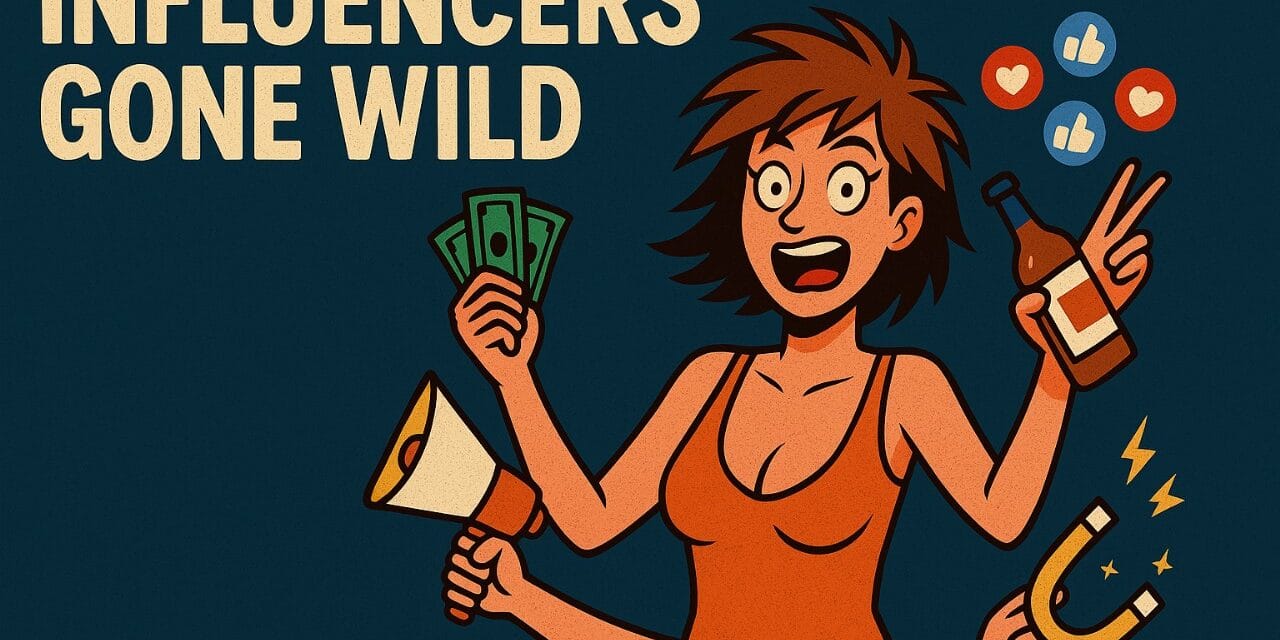
Social media influencers have become some of the most powerful voices of the digital age. With millions of followers across platforms like Instagram, TikTok, YouTube, and X, influencers shape opinions, trends, and consumer behavior daily. However, alongside success and popularity, a controversial trend has emerged commonly referred to as “Influencers Gone Wild.” This phrase describes situations where influencers engage in extreme, reckless, unethical, or shocking behavior to gain attention, maintain relevance, or boost engagement.
From dangerous stunts and offensive statements to public meltdowns and staged controversies, these incidents often go viral within minutes. While such actions may generate short-term fame, they frequently lead to long-term consequences such as lost trust, legal trouble, and damaged reputations. Understanding this phenomenon is important not only for influencers but also for audiences and brands who participate in the influencer ecosystem. This article explores why influencers go wild, the types of behaviors involved, real-world consequences, and what the future holds for digital influence.
What Does “Influencers Gone Wild” Mean?
“Influencers Gone Wild” is an informal term used to describe moments when influencers push boundaries beyond acceptable social, ethical, or legal limits. It does not refer to creativity or bold self-expression alone. Instead, it highlights actions that are intentionally provocative, irresponsible, or harmful, often performed for views, likes, or media attention.
These moments may include dangerous challenges, offensive remarks, fake scandals, or unethical promotions. The phrase has gained popularity because audiences are increasingly aware of how far some creators will go to stay relevant in an overcrowded digital space.
Why Influencers Feel Pressure to Go Wild
1. Algorithm-Driven Competition
Social media algorithms reward content that generates strong reactions. Videos that shock, anger, or surprise people are more likely to be pushed to wider audiences. As competition increases, some influencers feel forced to escalate their behavior to stay visible.
2. Short Attention Spans
Audiences scroll quickly. Subtle or thoughtful content may be ignored, while extreme content stops users instantly. This creates an environment where exaggeration feels necessary.
3. Monetization and Income Pressure
For many influencers, content creation is their primary income. Views equal money. When growth slows, risky content can seem like the fastest solution.
4. Validation and Fame Addiction
Constant attention can become addictive. Some influencers chase viral moments because they crave relevance, recognition, and approval from followers.
Common Types of Influencers Gone Wild Behavior
Dangerous Stunts and Challenges
Some influencers perform risky acts such as climbing tall buildings, driving recklessly, or participating in hazardous challenges. These stunts not only endanger the influencer but also encourage followers to copy unsafe behavior.
Offensive or Harmful Content
Posting racist, sexist, or culturally insensitive remarks under the excuse of “jokes” or “freedom of speech” is a common cause of backlash.
Fake Drama and Staged Scandals
Some influencers create fake breakups, arguments, or personal crises to gain sympathy and views. While effective short term, audiences often feel manipulated once the truth emerges.
Emotional Meltdowns in Public
Livestream breakdowns, aggressive rants, or emotional outbursts often go viral. While sometimes genuine, these moments raise concerns about mental health and exploitation.
Misleading Promotions and Scams
Promoting fake giveaways, unverified products, or questionable investment schemes has damaged public trust in influencer marketing.
The Role of Audiences in the Problem
Audiences play a major role in the rise of “gone wild” behavior. When users engage heavily with controversial content—whether through likes, comments, or shares—they unintentionally reward it.
Even negative attention boosts visibility. This creates a cycle where outrage fuels growth, encouraging more extreme actions. However, audiences are also becoming more critical and aware, leading to increased call-outs and accountability.
Impact on Brands and Businesses
Brands rely on influencers to maintain positive reputations. When an influencer goes wild, businesses associated with them often face public backlash.
As a result:
- Brands cancel sponsorships
- Contracts are terminated
- Influencers are blacklisted from future deals
Companies now prioritize influencers with strong values, transparency, and consistent behavior rather than just large follower counts.
Legal and Platform Consequences
Influencers are not immune to laws or platform rules. Consequences may include:
- Account suspensions or bans
- Loss of monetization privileges
- Legal charges for trespassing, fraud, or harassment
- Civil lawsuits
Platforms are increasingly enforcing community guidelines to reduce harmful content, especially when public safety is involved.
Mental Health Effects on Influencers
Going viral for the wrong reasons can seriously affect mental health. Influencers often face:
- Online harassment
- Anxiety and depression
- Burnout
- Loss of personal identity
The pressure to constantly perform can lead to emotional exhaustion, especially when personal struggles become public entertainment.
Can Influencers Recover After Going Wild?
Yes, but recovery depends on how the situation is handled.
Successful recovery often involves:
- Taking responsibility without excuses
- Issuing genuine apologies
- Stepping back from content creation
- Demonstrating changed behavior over time
Audiences tend to forgive influencers who show growth, honesty, and accountability.
Positive Alternatives to Wild Content
Not all success comes from controversy. Many influencers grow sustainably by focusing on:
- Education and value-driven content
- Authentic storytelling
- Community engagement
- Creativity without harm
These creators may grow slower, but they build long-term trust and stable careers.
The Future of Influencer Culture
The influencer industry is maturing. Audiences are becoming smarter, platforms stricter, and brands more selective. The era of reckless virality is slowly giving way to responsible influence.
Creators who adapt by prioritizing ethics, safety, and authenticity are more likely to succeed long term.
Read More: FintechZoom Crypto Prediction: Market Insights & Future Outlook
Conclusion
The “Influencers Gone Wild” phenomenon reflects the darker side of digital fame in an attention-driven world. While extreme behavior may deliver instant visibility, it often leads to serious consequences including loss of trust, income, and mental well-being. Influencer culture is no longer just about entertainment—it carries real social responsibility. Audiences, brands, and platforms are increasingly demanding accountability, transparency, and ethical behavior. Influencers who understand this shift and choose authenticity over shock value are better positioned for long-term success.
As social media continues to evolve, influence will be measured less by viral moments and more by credibility, consistency, and positive impact. Ultimately, true influence is not about going wild—it’s about making a meaningful difference while maintaining integrity in a digital world that never stops watching.
FAQs
1. What does “Influencers Gone Wild” mean?
It refers to situations where influencers engage in extreme, reckless, or controversial behavior to gain attention or stay relevant online.
2. Why do influencers take risky actions for content?
They face pressure from algorithms, competition, income dependence, and audience expectations that reward shocking behavior.
3. Can influencers lose their careers after going wild?
Yes. Many lose brand deals, followers, and platform privileges, which can permanently damage their careers.
4. Are influencers legally responsible for their content?
Yes. Influencers can face legal consequences if their actions violate laws or encourage harmful behavior.
5. How can influencers grow without controversy?
By creating authentic, valuable, and ethical content that builds trust and long-term audience loyalty.